Italy: Montelupo Fiorentino Aims for IGP Certification for Ceramics: 76 Companies Involved
Montelupo Fiorentino is pursuing European Protected Geographical Indication (PGI) status for its ceramics, a craft that remains one of the region’s most significant manufacturing traditions. The initiative involves the local municipality, CNA Firenze Metropolitana, the Fondazione Ceramica Montelupo, and local producers. Their shared goal is to secure European protection that highlights the area’s industrial heritage, safeguards the authenticity of its techniques, and combats counterfeiting.
This ceramic project is one of five pathways launched by CNA Firenze Metropolitana to obtain PGI recognition for artisanal products. Alongside Montelupo, the initiative covers Florence for its goldsmithing style, Scarperia e San Piero for blades, Scandicci for leatherwork, and Signa for hat-making.
The initiative aims to strengthen traditional manufacturing by converting regional ties into tangible tools for protection and market competitiveness. Various projects, currently at different stages of development, were the focus of a meeting organized by CNA Firenze Metropolitana and the Chamber of Commerce of Florence, in collaboration with the Metropolitan City, held at Palazzo Medici Riccardi.
Data underscores the sector’s significance to the local economy. According to statistics from the Chamber of Commerce of Florence, updated for the third quarter of 2026, 37 active businesses in Montelupo Fiorentino operate in economic sectors linked to ceramic production.
An additional 39 businesses are located in the municipalities of Empoli, Capraia e Limite, Montespertoli, Lastra a Signa, and Signa, all of which fall within the area covered by the Montelupo Ceramics IGP project. This brings the total number of businesses potentially affected by the designation to 76.
Active business distribution in Montelupo Fiorentino:
Ceramics for domestic and ornamental use
Other technical and industrial ceramic products
Ceramic tiles for floors and wall coverings
Source: Statistics Office of the Florence Chamber of Commerce, data as of the third quarter of 2026. The total figure of 76 businesses is provided by CNA Firenze.
European recognition would mark a significant step for a tradition that has defined the identity of Montelupo Fiorentino for centuries. The Protected Geographical Indication (PGI) would safeguard a designation strictly tied to the territory and its production skills, giving businesses a tool to stand out in the market and protect the value of their craftsmanship.
The Montelupo project is part of a broader initiative covering five emblematic products of Florentine craftsmanship. However, the status of the different pathways varies.
Florentine Goldsmithing Style is closest to the finish line: after receiving approval from the Ministry of Enterprises and Made in Italy, it reached the European phase on October 19, now under review by the EUIPO. In Scarperia e San Piero, producers gathered in the Lame di Scarperia association, established with the municipality and supported by CNA, are working on the production specification.
Scandicci is pursuing protected status for its leather goods, a manufacturing sector with significant international recognition, while Signa aims to safeguard its historic hat-making industry, which centers on straw processing.
"Preserving a tradition is not enough; we must secure a future for the businesses that keep it alive," said Francesco Amerighi, president of CNA Firenze Metropolitana. He emphasized that geographical indications can serve as a practical tool to protect authentic production, prevent the misuse of regional names and reputations, and strengthen corporate competitiveness.
Massimo Manetti, president of the Florence Chamber of Commerce, echoed this perspective. He highlighted the role of craftsmanship in the local economy and stressed the need to support smaller firms, which often lack the internal resources to navigate complex bureaucratic procedures.
Securing an IGP designation extends beyond acquiring a promotional label. Lorenzo Cei, director of CNA Firenze Metropolitana, explained that the process mandates specific regulations, comprehensive documentation, rigorous verification, and specialized expertise. Consequently, effective collaboration among producers, trade associations, and public institutions is essential. This effort relies on the support of the Tuscany Region, local municipalities, and the Chamber of Commerce.
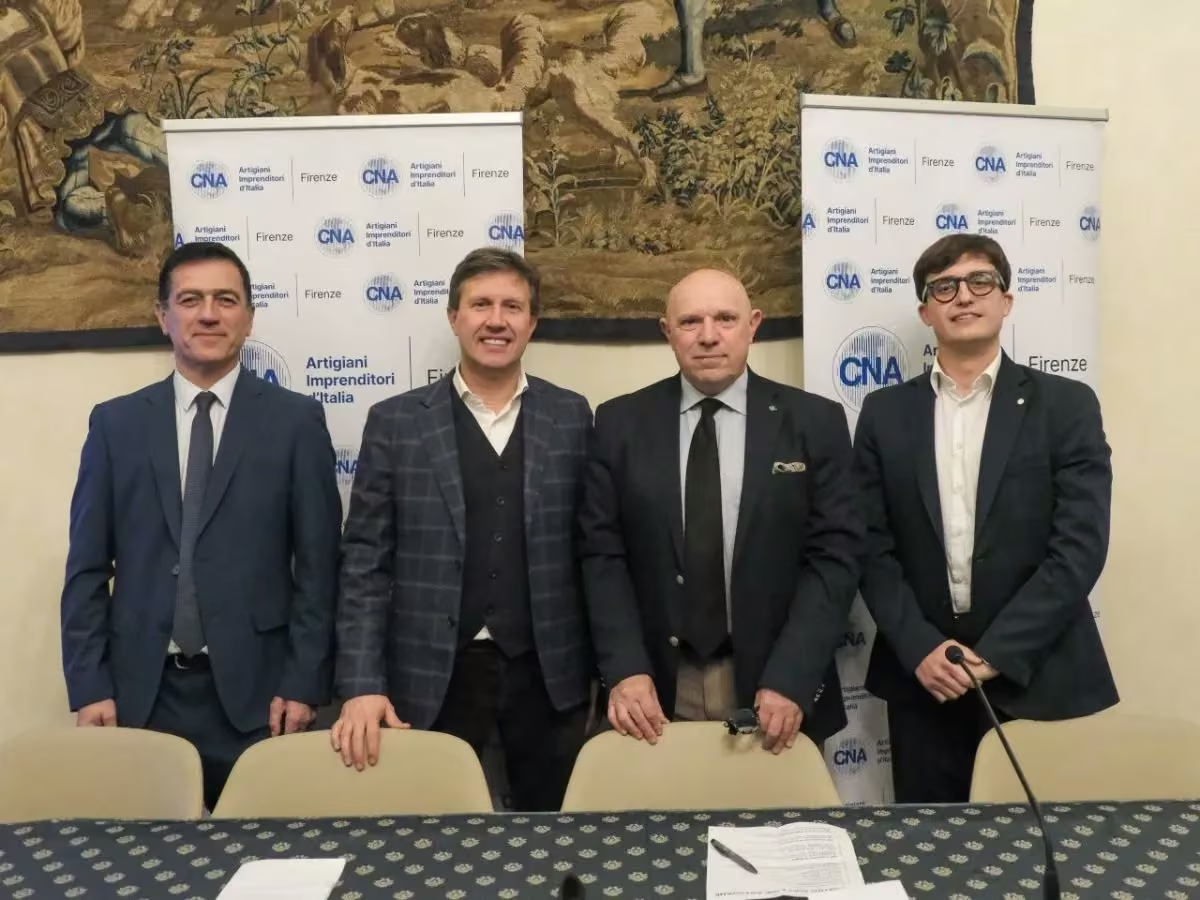
The event drew several key figures, including European Parliament member Dario Nardella. Also present were Andrea Cavani from the Casa del Made in Italy in Florence, under the Ministry of Enterprise and Made in Italy, and Giuseppe Salvini, secretary general of the Florence Chamber of Commerce.
Simone Londi, mayor of Montelupo Fiorentino, represented the local territory at the meeting. He was joined by officials from other involved administrations and representatives from the production sector. Mirko Pucci of Ceramiche Virginia also attended, underscoring the direct engagement of businesses in this initiative.
Montelupo's current challenge is to convert its widely recognized artisanal heritage into concrete European protection. The goal is to secure a system that supports local businesses, elevates the value of ceramic craftsmanship, and strengthens the bond between production and the region.
Frequently asked questions
What is the primary goal of the Montelupo Fiorentino ceramics PGI certification initiative?
The primary goal is to secure European Protected Geographical Indication status for Montelupo ceramics. This aims to protect the region's industrial heritage and combat counterfeiting of its traditional techniques.
How many companies are involved in the Montelupo ceramics PGI project?
The initiative involves 76 local companies. These producers are working with the municipality and CNA Firenze Metropolitana to secure European protection for their craft.
What other Florentine crafts are included in the PGI recognition pathways alongside ceramics?
The broader initiative covers five products, including Florence goldsmithing, Scarperia blades, Scandicci leatherwork, and Signa hat-making. Each pathway is at a different stage of development.